







Search Results for: São Paulo State Heavy Rain

Heavy Rain in Southern Brazil Devastates São Paulo Coffee Region, Flooding Threatens New Crop Yield During Flowering Season
Several states in southern Brazil have recently been hit by severe storms and heavy rain, with São Paulo and Rio de Janeiro states particularly hard hit, causing casualties and widespread power outages. This coincides with the flowering season for Brazilian coffee trees, and excessive rainfall and flooding could wash out farmland and knock coffee flowers off the trees, threatening production for the new season. At the same time, disrupted rainfall patterns in Minas Gerais are making the planting situation even more severe. The storms have also affected logistics and transportation, worsening ship delays at ports. The market is worried that a reduction in Brazilian coffee production will persist, and prices may remain high or even rise further. This article will review the impact of the disaster and the subsequent trajectory of the coffee industry. [more…]

Severe storm hits São Paulo state, Brazil: Over two million users without power, coffee-growing regions hit again
The state of São Paulo, Brazil, recently endured a violent storm accompanied by historically powerful winds, leaving at least 7 people dead, 2.1 million users without power, and severely disrupting transportation, water supply, and business operations. As an important coffee-producing region in Brazil, São Paulo state has this year been hit in succession by drought, wildfires, and torrential rain, casting a shadow over the prospects for coffee growth in the new crop season. With power slow to be restored, inventory is piling up at processing plants and the risk of port delays is intensifying. Combined with expectations of reduced output in Vietnam and other producing origins, international coffee futures prices continue to run at high levels. This article will review the impact of the disaster, the abnormal climate in the producing region, and the chain reactions for the coffee industry. [more…]
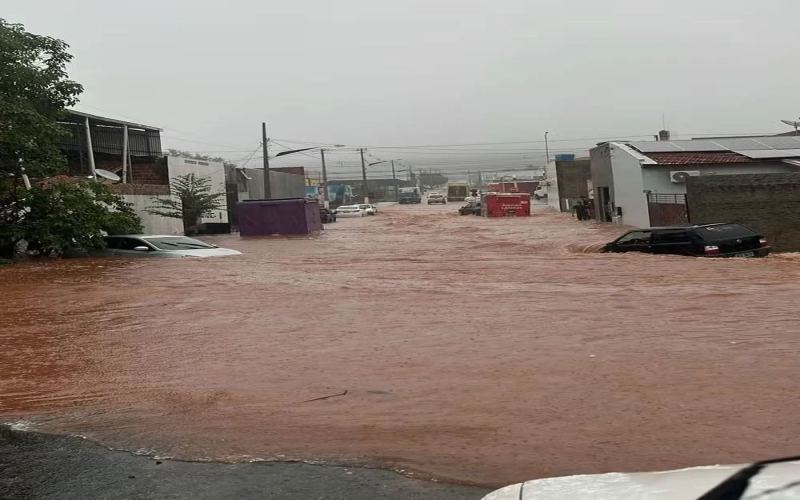
Heavy Rain in Southern Brazil Impacts Coffee Regions, Local Production May Drop by Up to 30%
Central and southern Brazil recently experienced heavy rainfall, with southern Mato Grosso and São Paulo state severely affected, impacting both transportation and power supply. Meanwhile, rainfall in Minas Gerais remains below the historical average, and the worst drought and wildfires in nearly 70 years have already caused deep damage to coffee cultivation. Although concentrated flowering occurred in October, whether the flowers will develop into fruit remains to be seen in December. Multiple institutions expect coffee production in the most severely affected areas to decline by 20% to 30%, with the potential of both the 2024/25 and 2025/26 crop years affected. [more…]
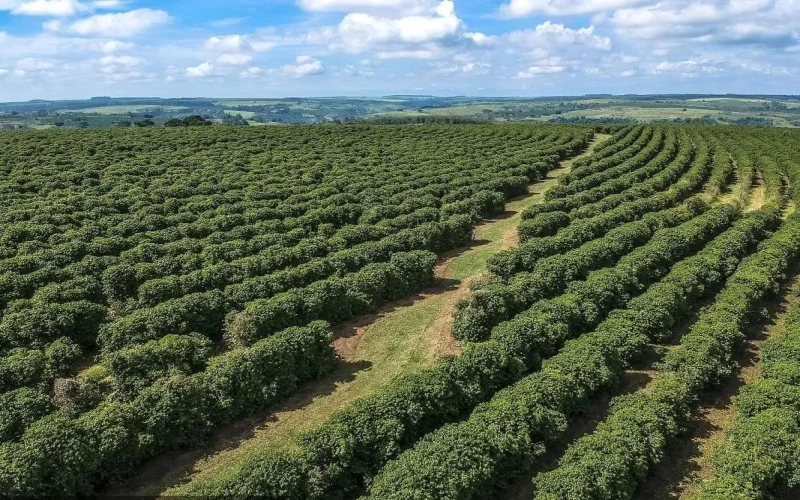
Brazil Hit by Extreme Rainstorms, New Coffee Crop Yield Faces Severe Test
Several major coffee-producing regions in southeastern Brazil were recently hit by severe storms formed by the collision of strong cold fronts and high temperatures. São Paulo, Minas Gerais, Espírito Santo, and Rio de Janeiro were all affected, with rainfall in some areas exceeding 100 mm per day and wind speeds reaching up to 100 km/h. Together, these regions account for 48% of Brazil's total national coffee output, and as the coffee berries are currently in their fruit-setting stage, the storms and heavy rain caused large numbers of cherries to drop. Industry insiders are calling on coffee farmers to strengthen precautions. At the same time, the heavy rain has caused at least 24 deaths and displaced thousands of people, while the dengue fever outbreak continues to spread, putting pressure on the healthcare system and raising the risk of labor shortages during the harvest period. Front Street Coffee will continue to follow developments in Brazil's producing regions and bring coffee lovers the latest information. [more…]

Severe rain warnings in seven Brazilian states spark concerns over new coffee crop yields, coffee futures prices climb again
Brazil's National Institute of Meteorology recently issued storm and heavy rain danger warnings for seven states, including Minas Gerais, São Paulo, and Paraná, with expected rainfall of 50 to 100 millimeters per day and accompanied by strong winds of 60 to 100 kilometers per hour. Rainfall in northern São Paulo state has already accumulated to 90 millimeters, with local areas reaching up to 100 millimeters, and the risk of landslides and flooding has prompted the warning center to issue a yellow alert. Although no serious economic losses have been reported so far, the market is widely concerned that this round of severe weather will once again impact Brazil's new coffee crop production. The severe drought and forest fires from April to September had already damaged coffee trees during the flowering stage, leading many institutions to lower production forecasts and drive up coffee prices. This article will review key information such as Brazil's recent weather conditions, coffee futures trends, exchange rate impacts, and traders' credit risks. [more…]
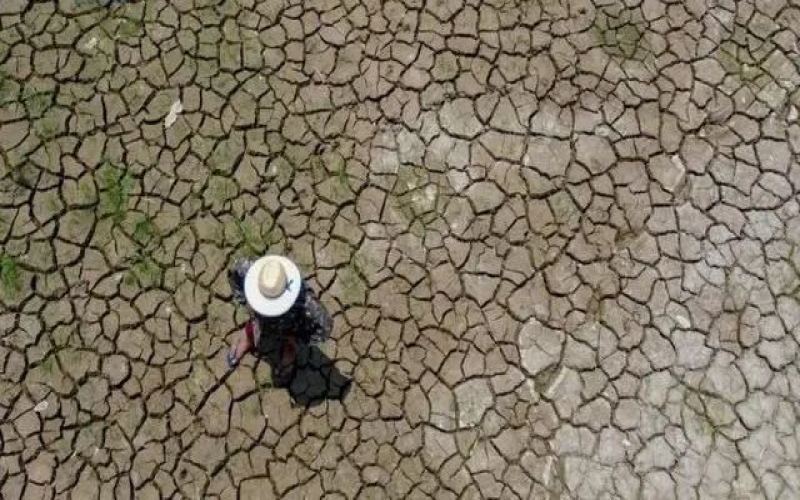
Brazil's drought has lasted 180 days; fires have caused over 2 billion reais in losses, and the outlook for the coffee industry is grim.
Since the start of spring in September, Brazil's drought and fire situation has not eased but has instead continued to worsen. Multiple cities in Minas Gerais have gone without rain for a long time, and the Bom Despacho waterfall has even dried up; after briefly bringing fires under control, São Paulo state has seen 12 cities hit by fires again, with initial agricultural losses estimated at 2 billion reais. At the same time, large areas of smoke have caused air quality to plummet, and Brazil's meteorological agency has warned that five states will experience "black rain." The number of fires in Rio de Janeiro state has surged by more than 95% year-on-year, and nearly 4,000 cities nationwide face the threat of drought. The Brazilian government has sent a letter to the European Union requesting a postponement of the deforestation-free regulation (EUDR) set to take effect at the end of the year, but international coffee prices are still climbing, and Brazil's coffee industry is deeply worried about production and export prospects for the new crop season. [more…]
Brazil Coffee Region Distribution Guide | Sao Paulo and 16 Other State Origins, Variety Classification, and Pour-Over Parameters Explained
Brazil firmly holds the top spot in global coffee production, supplying nearly 45% of the world's green beans, and its domestic consumption is second only to the United States. This South American giant has 17 coffee-producing states, with just 7 of them accounting for 98% of the nation's output. From the legendary story of Officer Palheta bringing Bourbon seeds back three hundred years ago to Minas becoming the new hope for specialty coffee today, Brazil's coffee landscape has continually evolved. This article systematically outlines the distribution of Brazil's main producing regions, the characteristics of key varieties such as Red Bourbon and Yellow Bourbon, and includes Front Street Coffee's hands-on pour-over parameters and flavor notes for Brazil Cerrado, giving you a comprehensive understanding of this indispensable coffee powerhouse for espresso blends. [more…]
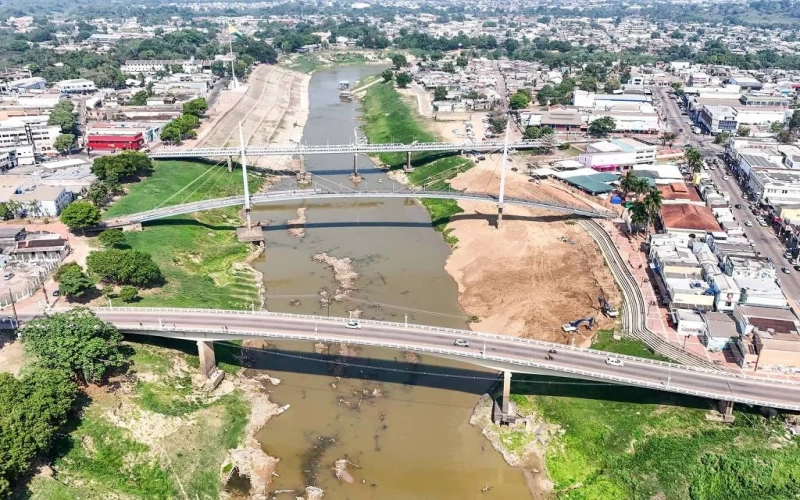
Drought in Brazil continues to intensify: over three thousand cities affected, coffee and other crops face pressure of reduced yields
Brazil's National Meteorological Agency recently issued a warning that the central region of the country will continue to experience dry conditions with little rain, and the dry season is more severe than in previous years. Currently, more than 3,000 cities are in varying degrees of drought, with over a thousand cities facing extreme or severe drought. Acre, Amazonas, and many other places have declared states of emergency, with frequent fires, falling river levels, and poor harvests of major agricultural products such as coffee. Brazil's largest coffee cooperative, Cooxupe, pointed out that many producing regions have gone more than three months without rainfall, and August rainfall is still expected to be zero. Coffee farmers are pinning their hopes on the return of rain when the dry season ends in September to October, but La Niña may once again disrupt the weather and threaten coffee production in the next crop season. Affected by this, international coffee prices remain high, and many European and American manufacturers have announced price increases. Front Street Coffee will continue to monitor developments in Brazilian producing regions and trends in the coffee market. [more…]
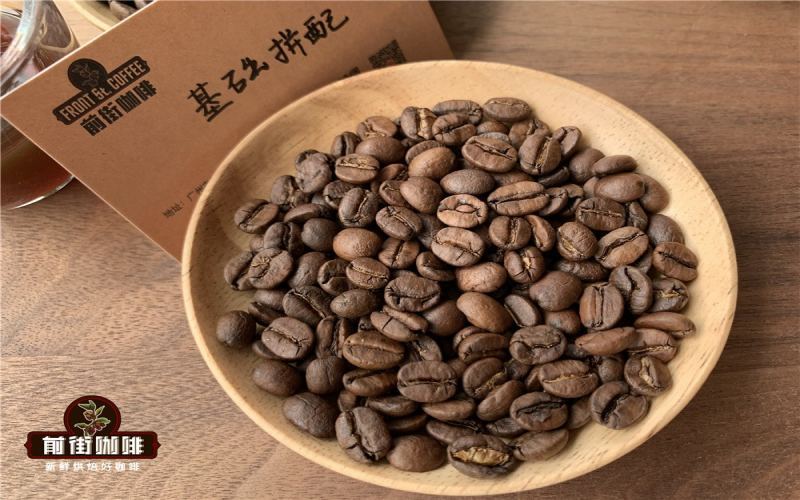
A Complete Guide to Brazilian Coffee Origins: Flavor Characteristics, Varieties, and Processing Methods of Cerrado and Queen Estate
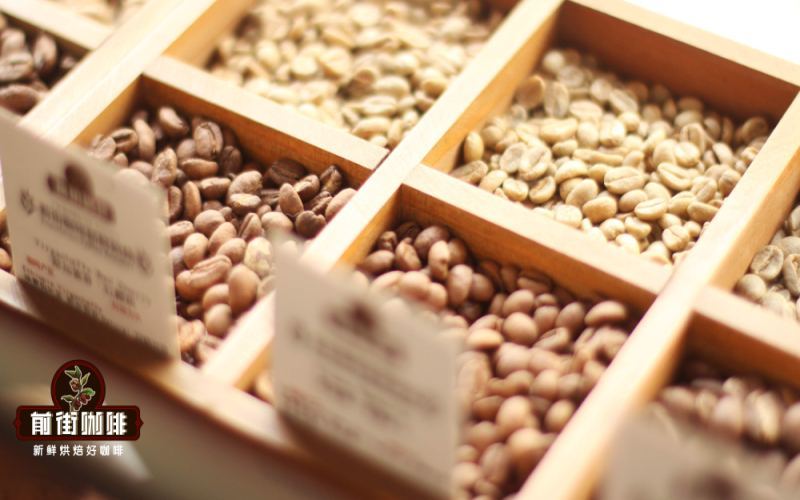
As the world's largest producer of Arabica coffee, Brazil's coffee, with its mild and smooth characteristics, low acidity, and moderate body, has become an indispensable foundational component in coffee blends. From Sul de Minas to the Cerrado, from Bourbon to Catuaí, Brazilian coffee varieties and processing methods each have their own distinctions. This article systematically examines the geographical conditions, major producing regions, variety characteristics, and processing methods of Brazilian coffee, with a focus on introducing the flavor profiles and brewing recommendations of two representative Brazilian beans selected by Front Street Coffee—the Cerrado and Queen's Farm—guiding you through a comprehensive understanding of the unique charm of this "coffee kingdom." [Image 1] As the cornerstone of coffee blends, Brazilian coffee beans, while lacking stunning highlights, also reveal no obvious shortcomings. They have a warm and gentle mouthfeel, low acidity, moderate body, and a hint of subtle sweetness. Completely different from the intense lemon-citrus acidity of Yirgacheffe, and unlike the heavy, bold intensity of Indonesian Mandheling, Brazilian coffee's acidity and bitterness are both relatively restrained, giving it a broad market in the blending field. Front Street's three blends: the Italian moka pot coffee beans recommended by many baristas—Front Street Dark Cocoa Blend, Specialty Blend, and Commercial Blend—all use Brazilian coffee beans as their base. [more…]
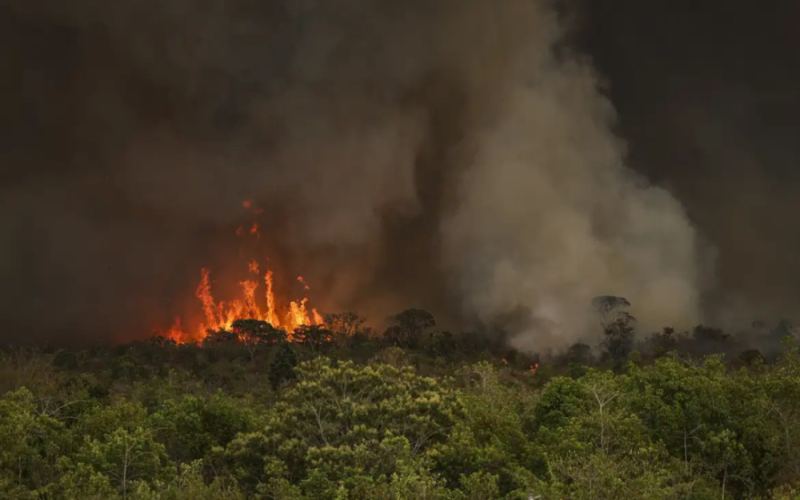
Rainfall in Brazil Fails to Alleviate Drought in Coffee-Growing Regions, New Crop Yields Remain Under Pressure
Since 2024, Brazil has been continuously hit by high temperatures, droughts, and severe fires, with large areas of forest and farmland destroyed, agriculture suffering heavy losses, and coffee-growing regions also deeply affected. Although southern Brazil recently received rainfall, the brief precipitation is unlikely to fundamentally ease the drought, and the outlook for coffee production in the new season remains bleak. At the same time, Brazil's coffee exports have performed strongly but are constrained by port logistics congestion, keeping international coffee prices persistently high. This article will review the multiple impacts of Brazil's fires and drought on the coffee industry and analyze current export and price trends. [more…]
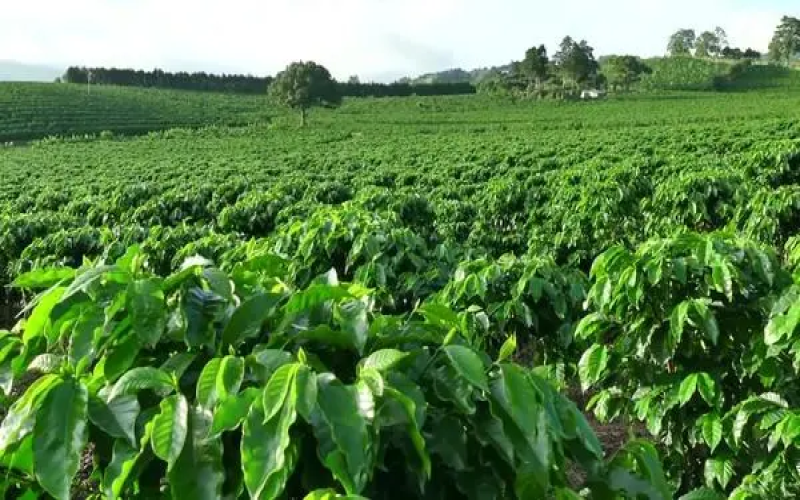
A Comprehensive Analysis of Costa Rican Coffee Varieties: From Bourbon and Caturra to the H1 Hybrid Newcomer
Although Costa Rica is a small country, it has become the world's 14th largest coffee producer thanks to its volcanic soil and forest resources. Since coffee was introduced in the 19th century, the country has continuously promoted variety improvement. In addition to the common Caturra, Catuai, and Bourbon, it has also developed emerging varieties such as Villa Sarchi, Venecia, and H1. This article will sort through the origins, characteristics, and flavor profiles of these varieties one by one, and bring corresponding bean recommendations from Front Street Coffee, helping coffee lovers gain a comprehensive understanding of Costa Rica's variety landscape. [more…]
A Complete Guide to Brazilian Coffee Flavors and the Bourbon Family Varieties: From Red and Yellow Bourbon to Catuai and Laurina
As the country with the largest export volume of green coffee beans in the world, Brazil supplies about one-third of the world's production, yet there are only a handful of Brazilian single-origin beans that the public can name. This is not because Brazilian coffee quality is poor, but because flavors within the same producing region tend to be similar, so when choosing beans you only need to pick the most representative one. In this article, Front Street Coffee reviews the historical development of Brazilian coffee and sorts out one by one the origins and flavor characteristics of varieties such as Red Bourbon, Yellow Bourbon, Pink Bourbon, Caturra, Catuai, Mundo Novo, and Laurina, while also including specific information on the shop's two products, the Brazilian producing-region everyday drinking beans and the Queen's Estate, to help coffee lovers build a complete understanding of Brazilian coffee. [more…]
A Complete Analysis of the Flavor Characteristics and Varieties of Latin American Single-Origin Coffee Beans: A Regional Guide from Brazil to Costa Rica
The global coffee-growing belt can be divided into three major regions: Africa, Asia-Pacific, and Latin America. Among them, Latin America is known for its mellow, balanced character reminiscent of cocoa and dark chocolate. Starting from Front Street Coffee's everyday beans series, this article systematically reviews the historical origins, variety characteristics, and processing method evolution of Latin American coffee, and interprets one by one the flavor codes of representative producing countries such as Brazil, Colombia, Panama, Costa Rica, Honduras, Jamaica Blue Mountain, and Nicaragua. The article also includes brewing parameters and flavor descriptions for specific beans such as Front Street Queen's Estate Yellow Bourbon, Sidra, Boquete Geisha, Mozart, washed Caturra, Blue Mountain No. 1, and Villalobos, providing coffee lovers with a guide to Latin American coffee that is both informative and practical. [more…]
A Complete Guide to Latin American Coffee Regions: Varieties, Processing Methods, and Flavor Profiles from Brazil to Guatemala
Among the world's three major coffee-growing belts, the Latin American region stands out with its distinctive chocolatey and nutty rich tones. From Brazil's nutty sweetness and Colombia's balanced acidity, to Panama Geisha's floral legend, Costa Rica's honey-processing sweet experiments, and on to Jamaica Blue Mountain's classic balance and Guatemala's volcanic flavors, each producing country relies on unique geographical conditions and processing techniques to create highly recognizable cup profiles. This article systematically reviews the coffee varieties, mainstream processing methods, producing region distribution, and grading systems of eight Latin American countries, and, combined with Front Street Coffee's brewing demonstrations, fully presents this region's flavor landscape and bean selection logic. [more…]
Brazilian weather disruptions combined with a stronger currency keep coffee prices elevated, while the Red Sea and Panama Canal intensify supply chain pressures.
Recently, Arabica and Robusta coffee prices have continued their upward trend. Weather forecasts for Brazil's producing regions show a downward revision in the probability of rainfall, while the real has risen to a near one-and-a-half-week high against the US dollar, dampening the pace of exports. Robusta inventories have fallen to historic lows, and sellers in Vietnam are also holding back supply, while tensions in the Red Sea and drought in the Panama Canal have further pushed up shipping costs. With multiple factors intertwined, the global coffee supply chain is facing a severe test. [more…]
How to drink Costa Rican Red Honey coffee beans? Hand-brew parameters and flavor analysis of Hacienda El Mirador Catuai
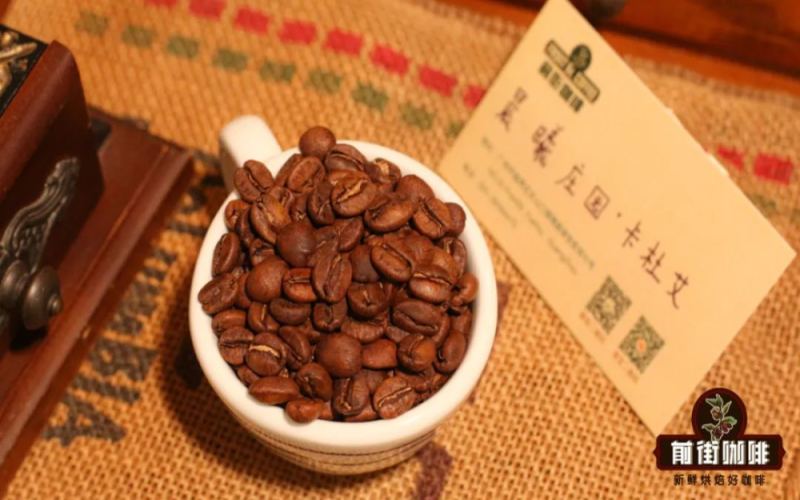
Costa Rica is renowned for its honey-processed coffee, and Hacienda El Mirador in the Tarrazú region is a prime example. This Front Street Coffee Costa Rica Hacienda El Mirador Red Honey Catuai comes from the Tarrazú region at an altitude of 1,750 meters, employs the red honey process, and showcases rich flavors of sweet orange, cream, grapefruit, honey, and black tea. This article will guide you through Hacienda El Mirador's growing background, the characteristics of the Catuai variety, and the features of the red honey process, while sharing Front Street's cupping experience and pour-over parameter recommendations to help you better brew this exceptionally sweet coffee. [more…]
A Complete Guide to Honey Processing: The Processing Differences and Flavor Characteristics of White Honey, Red Honey, and Black Honey, with a Discussion of Costa Rica Front Street Coffee Morning Light Estate Red Honey Catuai
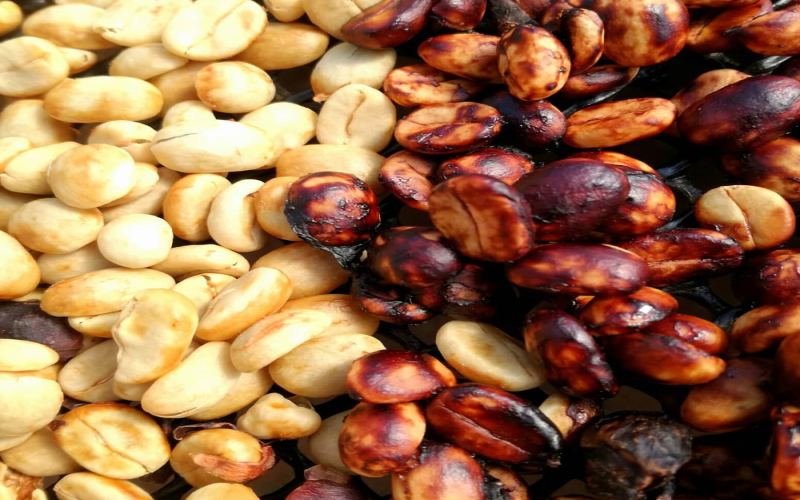
It's also honey processing, so why are some beans clean and bright, while others are wild like red wine? The key lies in the difference in the amount of mucilage retained and the frequency of turning. White honey is closest to washed, black honey is almost equivalent to natural, and red honey is right in between, becoming the most common honey color type on the market. This article will start with the processing method and break down the fermentation logic and flavor direction of white honey, yellow honey, red honey, and black honey one by one. Using Front Street Coffee's red honey processed Catuai from the Tarrazu region of Costa Rica as an example, it will take you from green beans and variety to cupping, so you can fully experience the sweetness and charm of honey processed coffee. [more…]
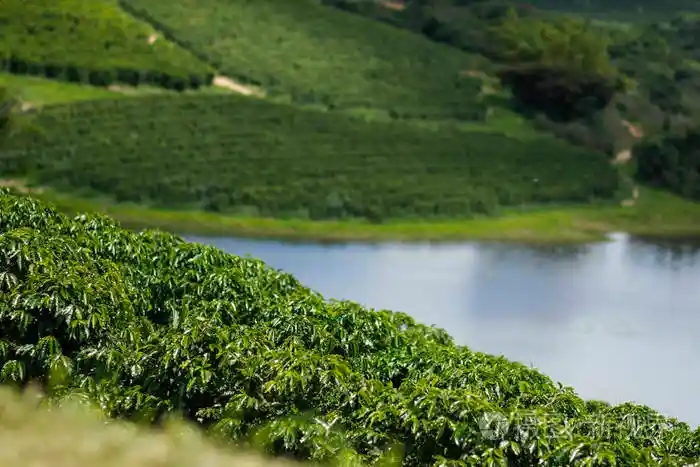
Introduction to the Flavor Characteristics of Brazilian Coffee Beans | What Are the Producing Regions and Coffee Bean Varieties of Brazilian Coffee Beans?
For more specialty coffee knowledge, please follow: Front Street Coffee (Frontsteet Coffee). Brazilian Cerrado coffee is very popular as Front Street's everyday beans, and there is also a Brazilian single-origin bean, Brazilian Queen Coffee, whose taste is cleaner than Brazilian Cerrado and whose flavor is even better! Of course, Brazil [more…]
Brazilian Coffee Pour-Over Guide: Complete Parameters from Cerrado and Queen Estate Regions to Grind Size, Water Temperature, and Coffee-to-Water Ratio
Brazil is the world's largest coffee producer, yet it is not often mentioned on single-origin menus, appearing more frequently as a component in blends. This is closely related to the soft-bean flavor profile brought about by its low altitude, flat terrain, and sun-exposed cultivation—low acidity, prominent nutty and chocolate notes, and good body. This article systematically reviews Brazil's main coffee-producing regions (Cerrado, South Minas, Mogiana, etc.), the differences between Red Bourbon and Yellow Bourbon varieties, and the evolution of natural and semi-natural processing methods. Using Brazil Cerrado and Queen Farm Yellow Bourbon as examples, it shares Front Street Coffee's complete pour-over recipe, including a KONO dripper, 88°C water temperature, a 1:15 coffee-to-water ratio, a grind size with 75% passing through a No. 20 sieve, and a three-stage pouring rhythm, to help you brew a cup of Brazilian coffee full of caramel, nut, and cream flavors. [more…]

La Niña's Three-Year Onslaught on Brazilian Coffee Regions: Global Coffee Bean Supply Tightens in 2023, Prices Poised to Rise
Brazil, the world's largest coffee producer, is being battered by three consecutive years of La Niña, with output in its main growing regions falling sharply and the outlook for the 2023 harvest far from optimistic. Meanwhile, Uganda, Africa's largest coffee exporter, has also seen its export volumes decline due to drought, while data from the International Coffee Organization show that global coffee consumption has continued to recover since the pandemic. With tightening supply overlapping with recovering demand, coffee futures prices remain elevated, and domestic traders have begun stockpiling physical beans. This article will review the production declines in Brazil and Uganda, the weather mechanisms behind them, and the shifts in supply and demand across the global coffee market, and will also include Front Street Coffee's specialty bean recommendations for readers' reference. [more…]